Commercial electrical upgrades help big buildings safely use more power every day. Electric power upgrades fix old main breaker boxes, setup big transformers, and add strong wires to handle high power. These changes stop sudden equipment failures, lower fire risks, and help local sites follow California safety rules.
Hiring professional Electrical Contractors in California helps business owners fix unsafe power boxes, add backup power, and keep daily work running without expensive delays.
Safe Power Needs for Local Buildings
Running a big building takes a lot of steady electric power every single day. Local shops and offices use many new tools, heavy cooling units, and electric car plugs. Old power boxes made years ago cannot carry this much power safely. When old wires get too hot, they trip power switches, damage expensive gear, and start dangerous electrical fires. Using new tools on old wires exposes costly office gear to sudden power surges and unexpected shutdowns.
Working with experienced Electrical Contractors in California keeps your main power box, extra breaker panels, and transformers safe and legal. Trained workers test wire heat and check power flow to make sure your system handles heavy daily use. Updating old breaker boxes protects physical tools, guards saved digital files, and keeps work moving on time. Fixing your building power also lowers monthly energy bills and helps you avoid city fines.
High Power Systems for Local Work Sites
Big shops, shipping hubs, and medical centers use heavy power all day long. Hot summer heat and rising power needs put huge stress on old electrical parts. Hiring skilled Electric Contractors in Southern California helps business owners swap out old breaker boards, guard server rooms, and stop sudden power cuts.
The United States Energy Information Administration reports that sudden power cuts cost American businesses billions of dollars each year in broken tools, lost work hours, and spoiled goods. Smart panel updates, sub-panel additions, and strong power surge guards remove these daily work risks. Switching to three-phase power and adding backup power boxes gives your site a safe foundation. Investing in power upgrades keeps workers safe, helps daily tasks run smooth, and prepares your building for future growth.
Simple Steps to Plan Building Power Upgrades
Planning a commercial power upgrade starts with a full site safety check and a heat test. Special heat cameras find hidden hot spots, loose wire screws, and overloaded lines inside live power boxes before parts break down. Setup teams study these test results alongside your daily tool needs to figure out exact power levels and calculate required service expansion steps.
When your power goals are clear, written plans go to local city offices and utility workers for fast review. Skilled field teams from licensed Electrical Contractors in California then install updated main power switches, new transformers, and strong surge protection tools. The final setup phase ends with quick load checks, heat tests, and city safety checks to confirm safe and legal power flow.
Basic California State Energy Rules
Getting building permits and final safety sign-offs depends on following the California Electrical Code and Title 24 rules. Recent rules state that new commercial buildings and major electrical updates must include battery setups and automatic lights. Leaving these steps out of early plans leads to rejected permits, project delays, and late building openings.
Working with qualified Electrical Contractors in California ensures all setup plans, wire charts, and tool specs match local city rules. Certified teams handle required Title 24 tests, write down emergency exit light steps, and confirm that auto power controls work right. Aligning your electrical setup with state rules removes legal problems, speeds up work timelines, and protects building owners from costly fines.
Stop Tool Damage with Quick Heat Scans
Infrared heat scans serve as a vital safety check for commercial buildings. Advanced heat cameras find hidden hot spots caused by loose wires, worn metal bars, and unbalanced power loads inside live breaker boxes. Finding these hidden heat risks early lets site managers fix minor issues before parts break or start dangerous fires.
Adding regular heat checks to routine site maintenance stops sudden tool shutoffs and helps expensive machines last longer. Insurance companies often ask for heat scan proof to verify building safety and lower property risk ratings. Using infrared tests through trusted Electric Contractors in Southern California gives clear answers on system health, protecting your site investments while maintaining smooth, non-stop business work.
Main Signs Your Panel Needs an Upgrade
Buildings that face frequent breaker trips, buzzing sounds from breaker doors, blinking office lights, or warm panel doors need an immediate electrical check. Trying to run high-voltage machines, main industrial tools, or electric car chargers on old 200A or 400A panels creates dangerous heat overloads and sudden power drops. These warning signs show that your present power setup has passed its safe working limit.
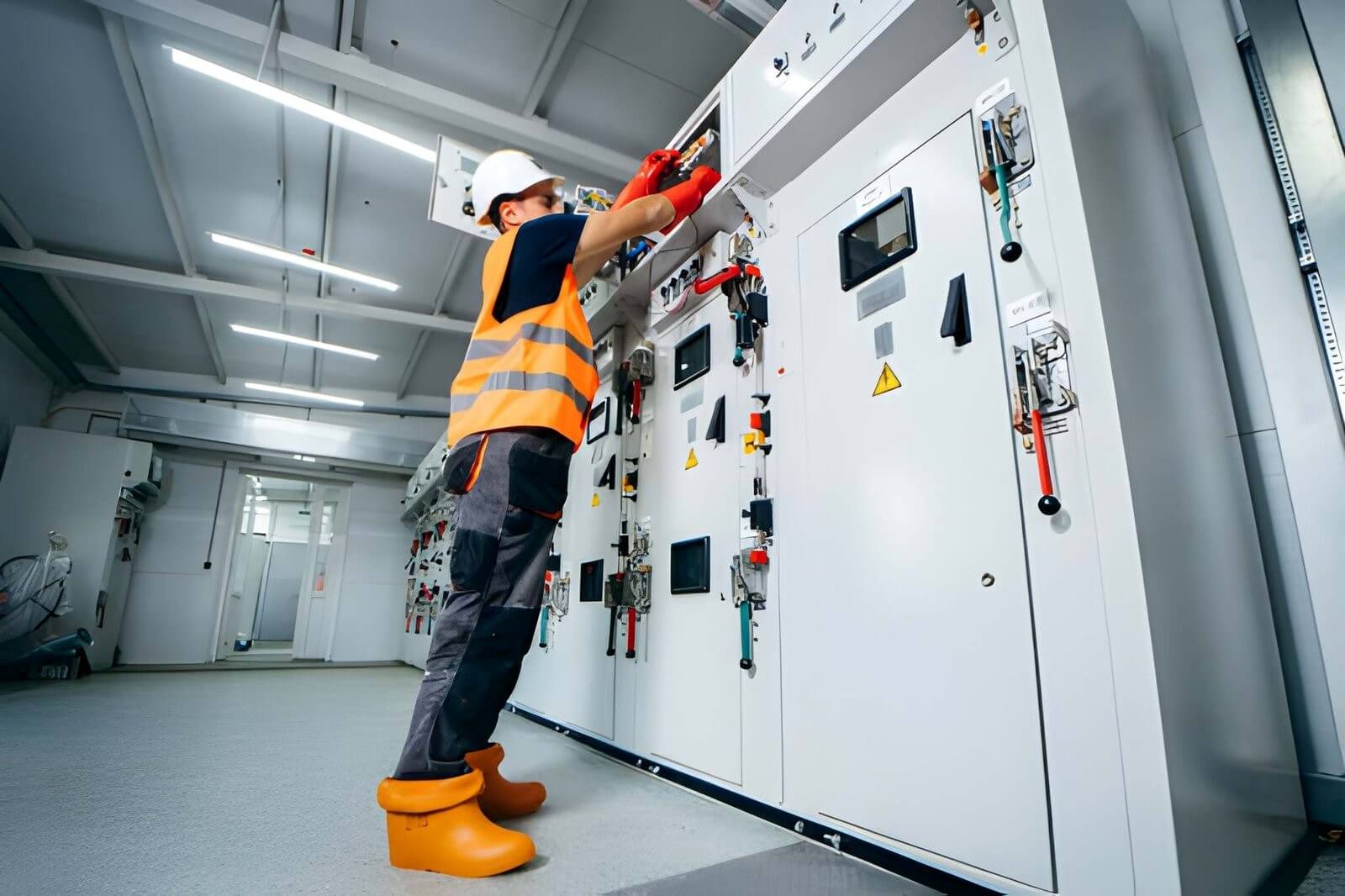
Upgrading to a high-power 800A through 2000A three-phase panel offers the extra room needed to run heavy tools without system halts. Modern power boxes include strong guard safety gear that shields delicate tools from sudden power spikes. Upgrading main panels fixes daily work stops, improves power use, and ensures your building power supports long-term growth.
Commercial Emergency Backup Power Rules
State safety codes require reliable backup power setups for safety gear, exit signs, and smoke fans in commercial buildings. Industrial plants and local businesses also set up auto power generators to protect active server rooms, cold storage, and key work lines against blackouts. These backup setups turn on within seconds of power loss to keep vital building tasks going.
Properly planned backup setups require right generator sizes, automatic transfer switch setups, and clean sub-panels. Safety rules require regular power tests, battery checks, and detailed work logs to ensure smooth function during real emergencies. Working with certified Electrical Contractors in California ensures your backup power setup meets strict safety codes while delivering fast, steady power when the main grid fails.
Elevate Your Commercial Power Setup Today
Old power panels, low power limits, or code issues should never slow down your daily business. Contact O’Donnell Electric today to setup a detailed site check, a heat audit, and a fast project estimate. You can call our Riverside home office directly by phone at (866) 640-7873. Our main office hours run Monday through Friday, from 8:00 AM to 5:00 PM, with fast 24/7 emergency service ready across Los Angeles, Orange, San Bernardino, Riverside, and San Diego Counties. Learn more about our full commercial, industrial, and general building services by visiting odonnell-electric.com.
Frequently Asked Questions
1. Why is upgrading commercial panels necessary?
Upgrading commercial electrical panels keeps your building safe when using big machines and new tools. It removes hot wires, stops circuit breaker trips, and helps your site meet California Title 24 safety rules.
2. How do heat scan audits prevent site downtime?
Heat scans use infrared cameras to find hidden hot spots inside live power boxes. Finding loose wires or overloaded parts early lets workers fix small problems before big power cuts or fires happen.
3. What causes commercial inspection failures?
Inspection failures usually happen because of unpermitted work, missing Title 24 papers, wrong wire sizes, or failed emergency light tests. Working with Electrical Contractors in California ensures your plans pass local city rules.
4. How long does a commercial panel upgrade take?
Planning, load tests, and city permits take a few weeks to complete. The physical work and main power switch setup are scheduled carefully to avoid stopping your daily business work.
5. What backup power systems are required by code?
California rules require backup power for emergency exit signs, lights, fire alarms, and smoke fans. Many businesses also add backup generators to keep servers and cooling units running during grid blackouts.